
Navigating Scotland’s Bothies: A Shelter Seeker’s Guide
If you’re a walker drawn to Scotland’s wild places, bothies offer one of the most authentic and memorable ways to experience the landscape. These humble shelters - often old stone huts tucked away in remote glens - are free, open to all, and maintained by the Mountain Bothies Association (MBA), a volunteer-run charity.
What Is a Bothy?
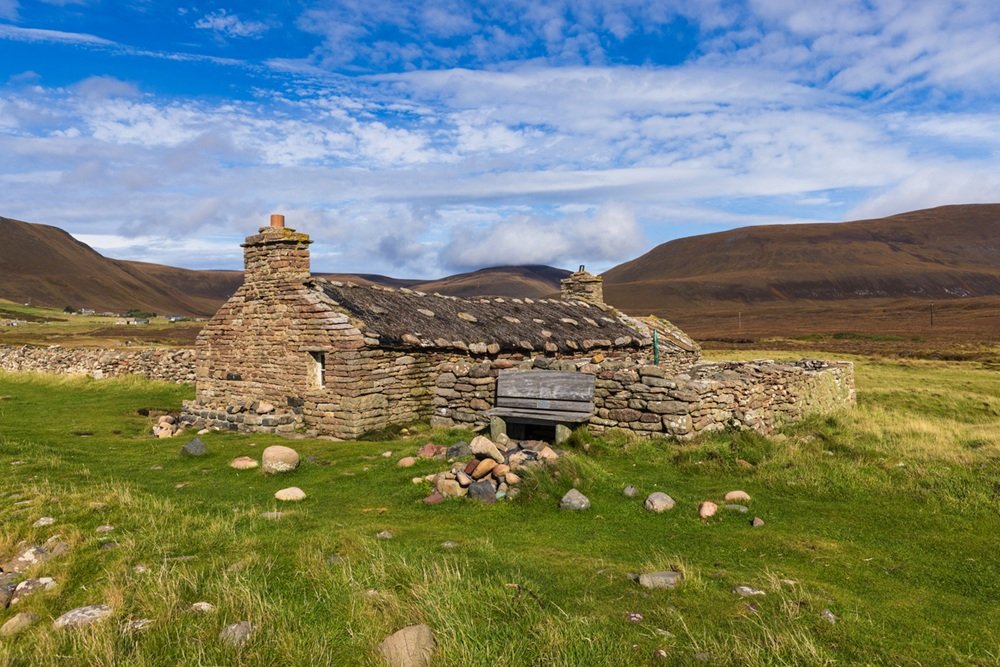
A “bothy” is a basic shelter: wind‑ and waterproof, unlocked, and available for anyone to use - no reservation required. Most are rustic: don’t expect electricity, running water, or modern amenities. Some have a fireplace, sleeping platforms or benches, but many are simply four walls and a roof. The MBA maintains more than 100 of these shelters in remote areas, with their permission given by private landowners.
Where to Find Bothies
Bothies are scattered across Scotland, especially in the Highlands, close to popular walking routes or rugged mountain passes. Some well-known ones include:
Corrour Bothy, nestled in the Cairngorms below Devil’s Point.
Shenavall, with spectacular views and access to An Teallach.
Suileag, near the otherworldly landscapes of Assynt.
There are many more, often documented in guidebooks such as the Scottish Bothy Bible.
Bothy Etiquette: The Unwritten Rules
Because bothies are communal and unmanaged, there’s a simple but essential code of conduct:
First come, first served. There’s no booking system, so arrive early if you can.
Leave room for others. Bothies operate on a “make space, don’t kick people out” basis.
Respect shared space. Keep noise to a minimum, especially at night - many bothies observe “quiet hours” after about 10 p.m.
Leave no trace. Pack out all rubbish, including food scraps.
Manage human waste responsibly. If there’s no toilet, dig a hole at least 200 meters from watercourses, and bury waste.
Be fire-wise. Use only deadwood for fires; never cut live branches.
Use the bothy book. Many bothies have a logbook: sign it, leave a note, or report any damage.
Planning & Safety Tips
Visiting a bothy isn’t the same as staying in a hostel - these shelters are remote, and being well-prepared is key:
Bring your own gear. That means a stove, fuel, cooking gear, candles or a reliable light source, and a sleeping mat or bag.
Have a backup plan. Because bothies are on a first-come basis, it's wise to carry a lightweight tent in case you arrive to find the bothy full.
Tell someone your route. Share your plans and stop points with someone before you head out - in remote terrain, help may not arrive quickly.
Know the terrain. Be ready to navigate: map, compass, and good hill craft are essential.
Check weather conditions. Highland storms can move in fast. Don’t gamble on fair weather.
Why Bothying Matters
Beyond their practical use, bothies represent a spirit of shared stewardship and wilderness. Historically, many bothies were former workers’ huts or shepherd cottages. Today, they’re maintained by volunteers from the MBA, who keep these shelters alive for adventurers who just need a roof over their head in remote places.
For walkers, staying in a bothy is more than just shelter - it’s a rite of passage. The community of bothy users spans generations, and each visitor becomes part of that ongoing story.
See you on the hills (or maybe in a bothy) soon, Walkers!