
What Is the Best Time of Year to Walk in Scotland?
Scotland is beautiful in every season. Spring brings fresh greenery and wildflowers, summer offers long days for exploring, autumn transforms the landscape with golden colours, and winter reveals a quieter, more dramatic side of the Highlands.
So, when is the best time to visit for a walking holiday? It depends on the routes you want to explore, the weather you're comfortable with and the experience you're looking for.
Here's what to expect in each season.
Spring: Fresh Landscapes and Quieter Trails
March to May | Best for woodland walks, wildflowers and fewer summer crowds.
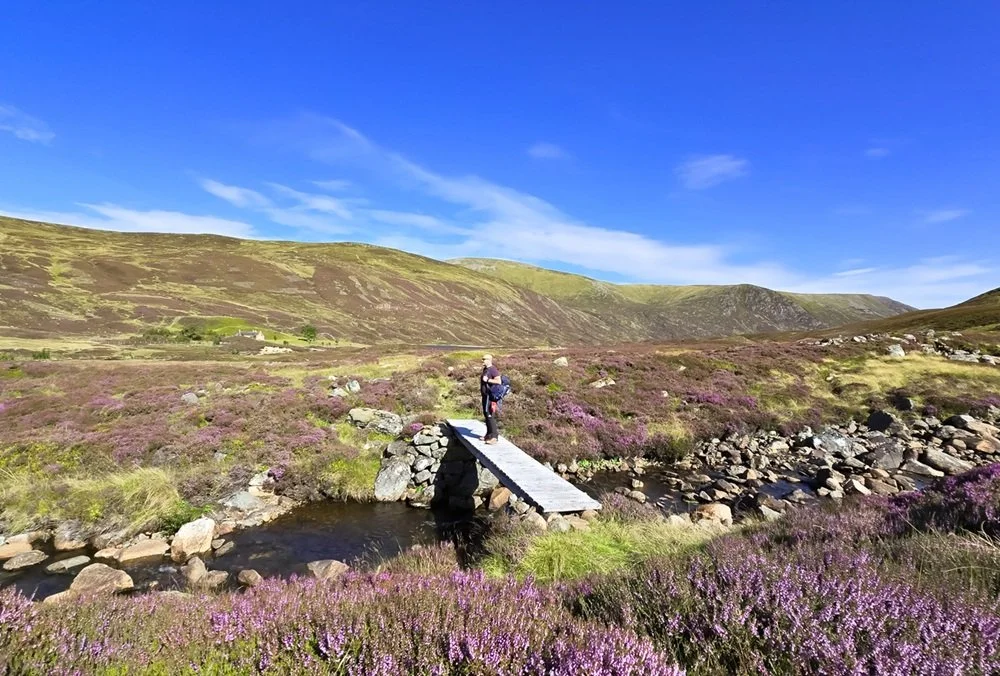
Spring sees Scotland gradually emerge from winter. Flowers appear, woodland brightens and daylight hours increase, making it a lovely time to get outdoors.
Explore the forests, rivers and lochs of the Rob Roy Way, or enjoy shorter woodland walks around Loch Lomond and The Trossachs.
Temperatures can still be chilly, and higher mountains may retain snow or ice. Pack waterproofs and warm layers, and check conditions before heading into the hills. Midges may also begin appearing towards late spring, particularly in western Highland areas.
Summer: Long Days and Big Adventures
June to August | Best for long-distance trails, mountain scenery and multi-day walks.
Summer brings Scotland's longest days, giving you more time to explore at a relaxed pace. It's an excellent season for tackling routes such as the West Highland Way and Great Glen Way.
The trade-off is popularity. Accommodation along major walking routes can book up quickly, and midges are often most troublesome in July and August, particularly in sheltered, damp areas of the west.
Despite warmer temperatures, Scottish weather can change quickly, so waterproof clothing remains essential.
Planning tip: Book accommodation early for popular trails and carry midge repellent if you're heading into the Highlands.
Autumn: Golden Colours and Atmospheric Walks
September to November | Best for autumn scenery, photography and quieter trails.
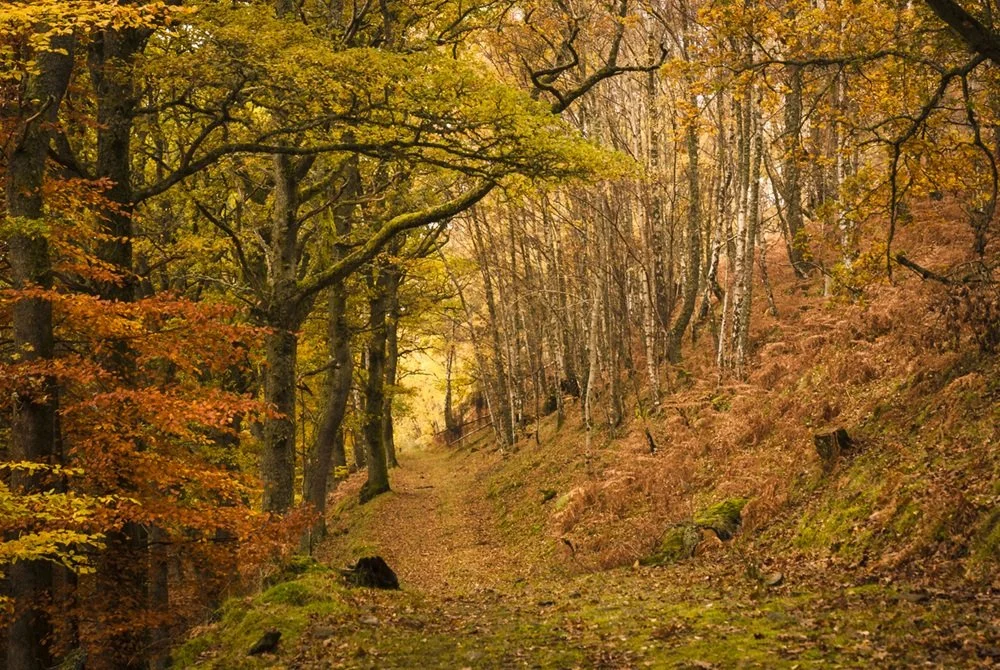
Autumn brings golden woodland, misty mornings and crisp walking days. The forests and lochs of Perthshire are particularly appealing, while the Great Glen offers dramatic Highland scenery as the seasons change.
Crowds often ease after the summer holidays, and midge activity generally declines as temperatures fall. However, rain, muddy paths and shorter daylight hours become increasingly important considerations as autumn progresses.
Planning tip: Start earlier in the day, check sunset times and allow extra time for slippery or muddy paths.
Winter: Quiet Trails and Dramatic Scenery
December to February | Best for experienced walkers seeking peaceful landscapes and winter views.
Frost-covered paths, snow-dusted mountains and quiet lochs reveal a different side of Scotland. Lower-level woodland walks can be especially rewarding when conditions are suitable.
Winter also brings limited daylight, icy paths and potentially severe mountain conditions. Snow and ice can make high-level routes hazardous, and some walks require specialist equipment and experience.
Choose a route that matches your ability, check the forecast and carry a headtorch. If conditions are poor, be prepared to change your plans.
Four Things to Consider When Choosing Your Season
1. Midges
Midges are most troublesome in many western Highland locations from late spring through summer, often peaking in July and August. They tend to be more active in still, damp conditions, particularly around dawn and dusk.
Repellent, long sleeves and a head net can help, especially if you're camping or walking in sheltered areas.
2. Daylight
Summer's long days give you more time to cover distance, while winter offers considerably less daylight. Plan realistic distances, check sunrise and sunset times, and carry a headtorch when walking in shorter days.
3. Weather and Trail Conditions
Scottish weather can change quickly at any time of year. Rain, wind, low cloud and sudden temperature changes can affect both comfort and safety.
Waterproof clothing, suitable footwear and warm layers are useful throughout the year. Check the forecast and route conditions before setting off.
4. Crowds and Accommodation
Summer is popular for good reason, but accommodation on well-known routes can fill quickly. Spring and autumn may offer a quieter experience, while some rural services have reduced availability during winter.
For multi-day walks, check accommodation and transport connections before confirming your dates.
So, Which Season Is Best for Walking in Scotland?
There's no single winner. The best season depends on the kind of adventure you want.
Spring: Fresh greenery, wildflowers and quieter walks.
Summer: Long daylight hours and ideal opportunities for multi-day adventures.
Autumn: Golden landscapes, atmospheric scenery and often fewer crowds.
Winter: Peaceful trails and dramatic views, with greater demands on preparation.
Whenever you visit, Scotland has something special to offer walkers. Choose a season that suits your plans, prepare for the conditions and leave room to enjoy the journey.
Ready to find your next Scottish adventure?
Explore The Walkers Club's route guides and discover where your next walk could take you.
Find Your Perfect Scottish Walk: https://www.thewalkersclub.com/find-your-perfect-scottish-walk