
Why So Many Scottish Place Names Begin with Glen, Ben or Loch
If you've spent any time exploring Scotland, you'll quickly notice that certain words appear repeatedly on maps, road signs and walking routes: Glen, Ben and Loch.
They aren't simply distinctive Scottish words. They come from languages and traditions that have shaped Scotland for centuries and understanding them can make exploring the landscape even more interesting.
What Does "Glen" Mean?
Glen comes from the Gaelic gleann, meaning a valley. It is generally used for a narrow valley, often surrounded by hills or mountains.
You'll find it throughout the Highlands and beyond. Glen Coe, for example, describes the valley of the Coe River, while Glen Nevis lies beneath Ben Nevis near Fort William.
For walkers, a glen often means you're about to enter some spectacular scenery. These valleys have long provided natural routes through Scotland's mountainous landscapes.
What Does "Ben" Mean?
When you see Ben at the beginning of a Scottish mountain name, you're looking at another Gaelic influence.
It comes from beinn, meaning mountain or peak.
The most famous example is, of course, Ben Nevis, the highest mountain in the British Isles. Other familiar names include Ben Lomond and Ben Macdui.
So when you're looking at a Scottish map and see "Ben", you already have a useful clue about what lies ahead: you're heading uphill.
And What About "Loch"?
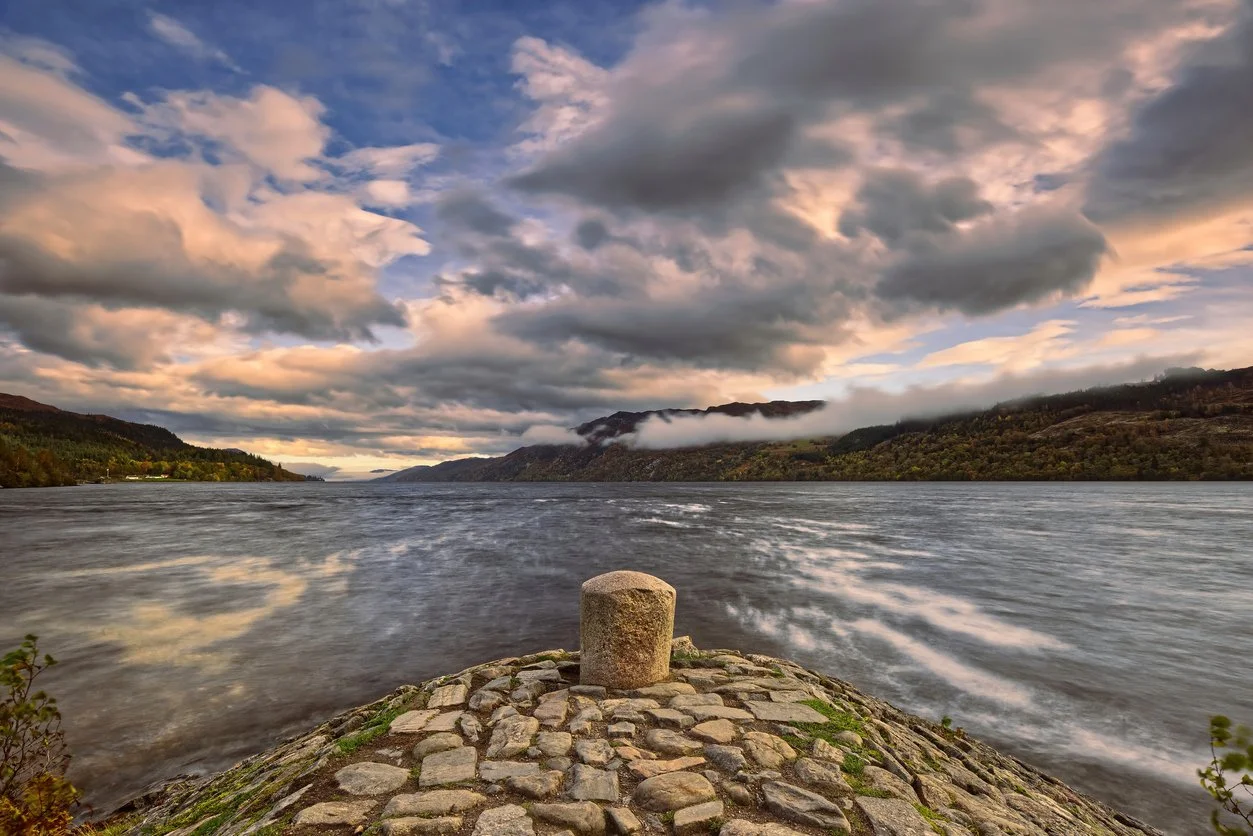
Loch Ness
Loch comes from Gaelic loch, meaning a lake or body of water. It can also refer to an inlet or sea loch, depending on the location.
Scotland is famous for its lochs, from the enormous Loch Lomond to the legendary waters of Loch Ness. You'll encounter them everywhere from the Highlands to the islands.
The word has become so closely associated with Scotland that visitors sometimes use "loch" for almost any Scottish body of water, but the individual names often have much older meanings and stories behind them.
A Map Can Tell You More Than You Think
These words are a small glimpse into the influence of Scottish Gaelic on the landscape. Gaelic place names often describe the physical features of the places they identify, effectively giving walkers clues about what they are going to encounter.
So next time you're planning a Scottish walk, take a closer look at the map.
A glen might lead you through a valley. A ben tells you there's a mountain ahead. A loch signals water nearby.
And suddenly, the map becomes a little more than a way to find your route. It becomes part of the story of Scotland itself.
We’ll see you out on the hills, walkers!